Overview
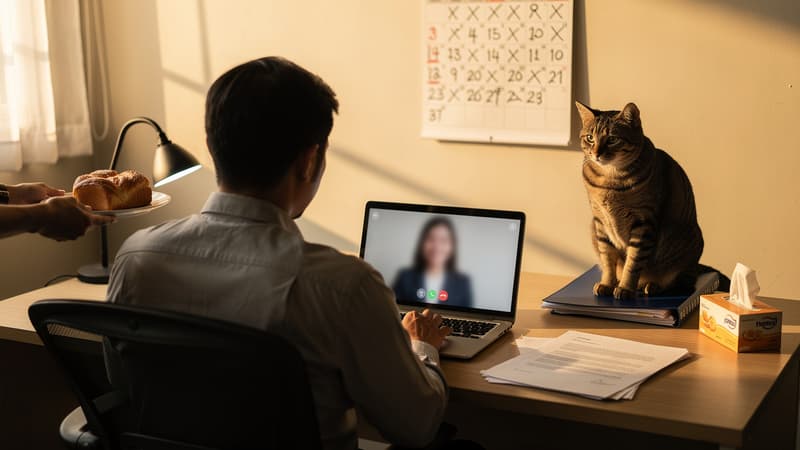
Hiring fraud in the remote Philippine market runs in both directions, and most guides only warn about one of them. Employers meet fake resumes, borrowed identities and rehearsed interview stand-ins. Candidates meet fake recruiters, advance-fee job offers and application forms built to harvest identity documents. Both sides of the problem are real, both are ordinary rather than exotic, and both are caught by the same discipline: verify before anything of value moves.
This article covers the patterns on each side and then puts numbers on the employer side, from one Philippine staffing pipeline's own application door: 397 applications and the duplicates, shared files and walk-aways its screening actually caught.
The fake-resume economy, and what it looks like up close
The employer-side fraud is rarely a masterpiece. It is volume work: one person applying under several names, a resume borrowed or bought and lightly edited, a stronger friend sitting the interview or the test while a weaker one takes the job. The tells are correspondingly mundane, and they show up in the data of any pipeline that looks.
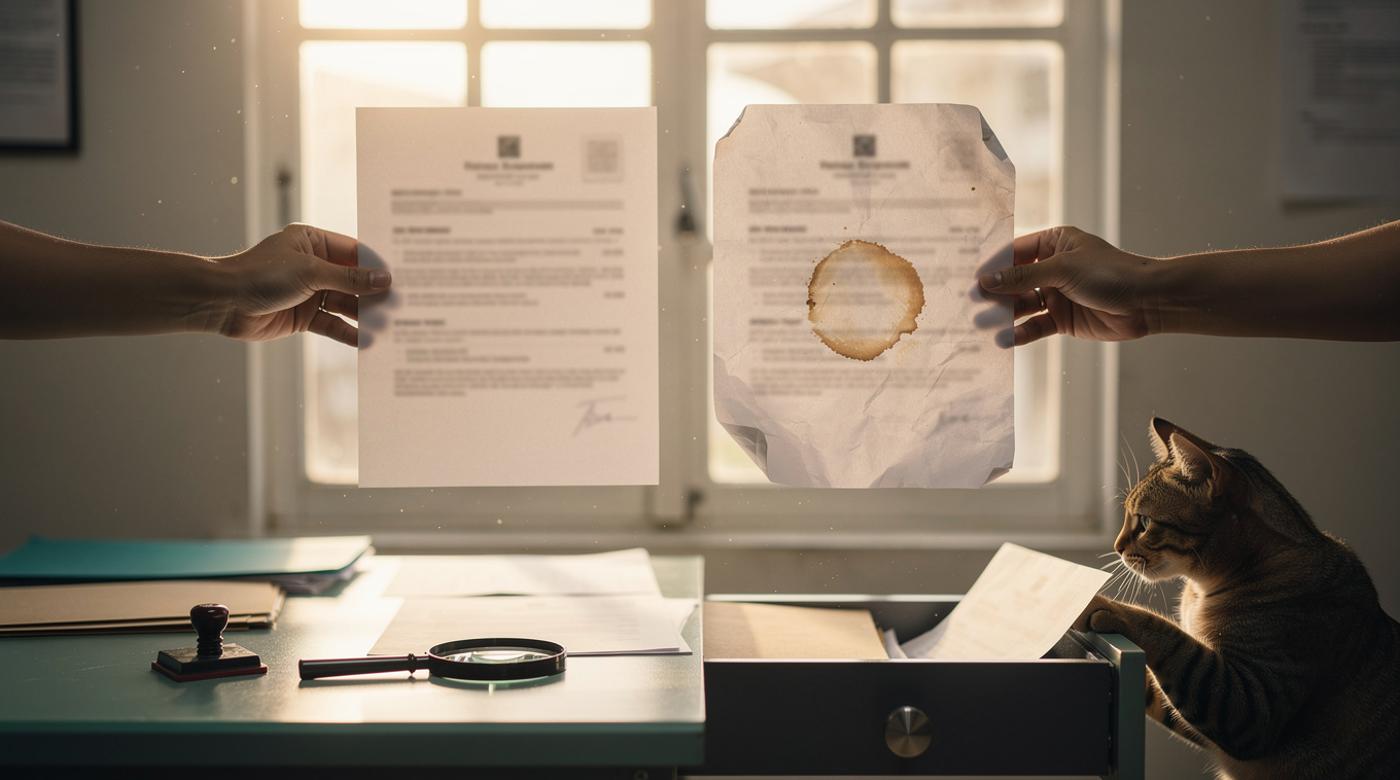
In the 397 applications above, screening found two pairs of applications sharing byte-identical resume files, the same PDF to the last byte under different applicant details. Before the door got its duplicate wall, a review of the then-366 applications found six duplicate identities: people re-applying days apart, usually with the same file, once with a changed name and a changed email, caught only because the resume file's digital fingerprint matched. Five clusters of applications shared an email address and six shared a phone number.
The counts are small against the total, between one and two percent, and that is the honest headline: most applicants are exactly who they say they are. But the duplicates concentrate where the damage is largest, because a person willing to fake an application is also the person most likely to disappear with the first advance payment or the client's data.
What catches what
Each fraud pattern falls to a specific check, and the order matters.
Exact-duplicate identity falls to three keys checked at the door: the email, the phone number, and a fingerprint of the resume file itself. The file fingerprint is the one that matters most, because it is the key a re-applicant forgets to change; a fresh email costs nothing, but re-exporting a genuinely different resume takes work. Any company can do this check with a hash function and a spreadsheet.
The borrowed resume falls to a skills assessment the resume cannot sit. A test generated fresh per candidate, built from what the applicant claims, has no answer key to buy. In the same pipeline, 382 assessment invitations produced only 133 graded sittings; most of the difference is self-screening, people who never opened the link once real work stood between them and the role. Fourteen more started and walked out mid-sitting, several at the exact moment the questions pressed on their claimed background. A walk-away is a result too, and a cheap one.
The stand-in falls to identity verification and a recorded conversation: a government-ID check with a liveness step before anything is signed, and an interview where the face on the call is checked against the ID that was verified. The person who did the assessment, the person interviewed and the person starting work must provably be the same person, which is exactly the seam stand-in fraud lives in.
The scams aimed at candidates
The mirror image matters to employers more than it first appears, because candidate-side scams poison the talent pool a legitimate employer draws from.
The classic is the fee: a recruiter who asks the applicant to pay for processing, training kits, equipment deposits or placement. In the Philippines, charging applicants is the bright line, and legitimate employers and providers state in writing that candidates never pay anything at any step. The second is the harvest: a fake job post whose application form collects government IDs and bank details, then vanishes. The third is the overpayment or advance-fee play dressed as a first assignment.
Employers inherit this landscape whether they like it or not. Good candidates who have been burned are warier, slower to share documents, and rightly suspicious of any process that feels informal. The practical answer is to look legitimate on purpose: a real domain, a stated never-pay policy, identity checks run through a named verification provider rather than "send a selfie with your ID to this Gmail".
What a hiring company should actually do
The checklist that follows from the patterns above is short. Screen for duplicates on email, phone and the resume file's fingerprint before spending an interviewer's hour. Test skills with something that cannot leak, and treat non-completion as information rather than loss. Verify identity with liveness before contracts or any payment, and match the interview face to the verified ID. Never pay a candidate anything before verification clears, and never ask a candidate to pay anything, ever. Companies that would rather inherit this whole gauntlet than assemble it can brief a role and receive candidates who have already walked through it.
Conclusion
Remote hiring scams and fake resumes in the Philippines are real, ordinary and asymmetric: a small fraction of applicants, one to two percent in the measured pipeline, generating most of the risk. The defense is not suspicion of Filipino talent, which would be both wrong and self-defeating in a market where most applicants are genuine; it is a door that checks three keys, an assessment that cannot be sat by proxy or answer key, and an identity step that ties the person hired to the person tested. Fraud is volume work, and volume work goes where the doors are open.