Overview
The Philippines is expected to post the highest employee turnover in Southeast Asia in 2026: twenty percent, one worker in five, according to a survey of more than seven hundred companies across the region. For a foreign company that just spent two months finding one good person in Manila, that number reads like a warning. It is also mostly not about remote work, and reading it as if it were leads to the wrong fixes.
This article separates the reasons Filipino employees leave in general from the ones specific to working remotely for a foreign employer, and then lists what actually keeps people, drawn from the published evidence and from what a staffing company sees at the point where a placement starts. One honest note before the list: the staffing company behind this article has too few completed engagements to publish an attrition figure of its own, so the numbers here are other people's, and they are cited.
The number, and what it is made of
The twenty percent figure comes from a salary and turnover study run between July and September 2025. It puts the Philippines at 20.0 percent, just ahead of Singapore at 19.3 and Malaysia at 18.2, with information technology, sales, engineering and cybersecurity named as the sectors where the pull is strongest, because global demand for those skills gives Filipino workers somewhere better-paying to go.
Two things about that number matter for a remote employer. It is a national figure across every sector and every kind of employer, so it describes the market a remote worker can leave for, not the rate at which remote workers leave. And the sectors driving it are the ones where a foreign salary is the pull; a foreign company that already pays one is on the receiving end of that flow, not the losing end, provided the rest of the arrangement holds.
The five reasons, in the order they show up
Pay that stopped moving. The most common reason anywhere, and in the Philippines it has a currency attached. A worker paid in pesos watches the dollar climb; the central bank's reference rate passed 62 pesos to the dollar in September 2026, and every dollar-paid neighbour got a raise the peso-paid worker did not. A worker paid in dollars watches the opposite: a salary agreed two years ago has grown in peso terms without the employer doing anything, which is pleasant until the first review, when the employer treats the currency gain as the raise. Both versions end the same way, with a candidate quietly taking calls from the sectors the turnover study names.
The job was not the job. Regional HR commentary on the turnover figure points at a mismatch between what a CV promised and what the person could actually do on day one, and at expectations set in the interview that the daily work did not match. The exit is early, usually inside the first three months, and it is a hiring failure wearing a retention costume. It is also the reason skills assessments before an offer exist: a candidate who has already done the work in a test is not surprised by it on Monday.
No next rung. Remote roles for foreign companies are often designed as one task, done well, forever. A virtual assistant who has run the same inbox for two years and has never been told what the third year looks like will describe it, at the exit interview, as "no growth", and the growth they mean is not a promotion. It is a new responsibility, a tool they were trusted to own, a title that means something to the next employer. Global surveys put career growth at the top of the reasons professionals change jobs, ahead of pay, and there is no evidence Filipino remote workers are an exception.
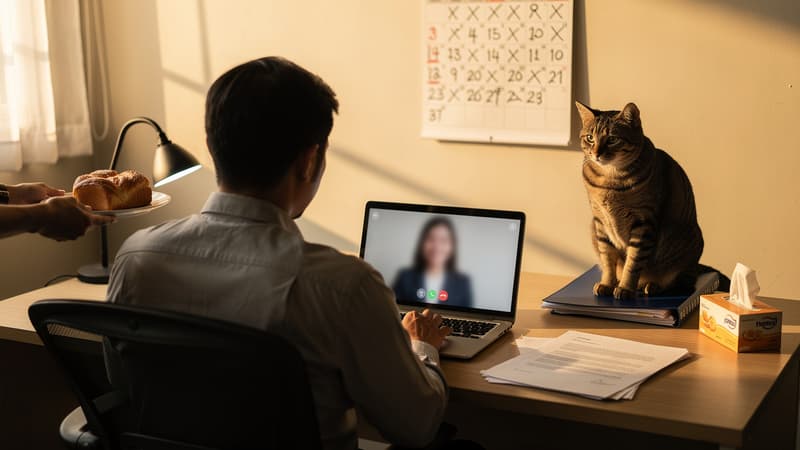
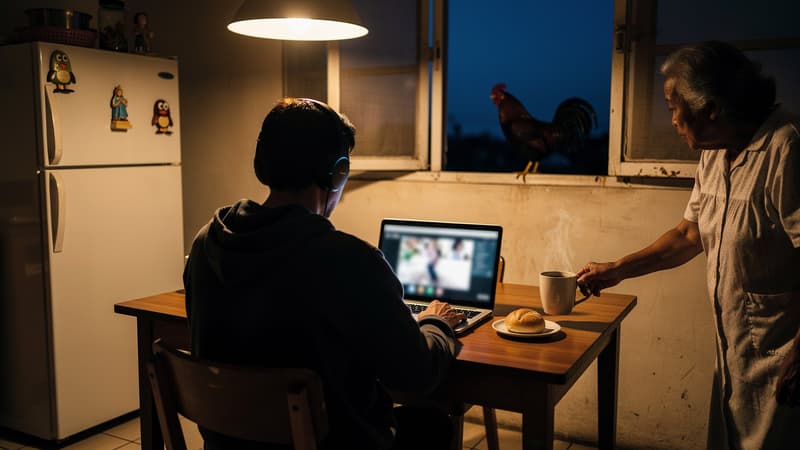
The manager, at two in the morning. A Filipino employee working US hours is awake while the manager is at their sharpest and asleep while the manager is deciding things. The failure modes are specific: instructions that arrive at the end of the manager's day and the start of the employee's, feedback that only ever comes as correction, and a schedule that keeps the person on a permanent graveyard shift because the overlap was never designed. The night differential the law requires is the cost the employer sees; the cost it does not see is the person who lasted fourteen months on that schedule and then left for a day job.
Home was the point, and the job forgot. The most Philippine reason on the list. When call-center employers were ordered back to the office in 2022, one worker in five in the industry's largest association said they would resign rather than return, citing hours-long commutes, rent and family time, and many had already moved back to their home provinces. Remote work for a foreign employer is, for a large share of Filipino workers, the arrangement that lets a person with world-class skills stay in the house with their parents and children. An employer who treats family events as scheduling problems, or who starts requiring office days, is not adjusting a perk; they are removing the reason the person took the job. A survey of Filipino remote workers found 84 percent would rather work remotely for a foreign company than move overseas, which is the same fact from the other side.
What remote work changes
It changes the exit, not the reasons. An office employee who is unhappy is visible for months; a remote one can be interviewing at lunch and hand in a resignation over chat. The Filipino default against contradicting a senior person in an open channel makes this worse: the manager hears "okay" until the day they hear "I am resigning", and nothing in between. Engagement data from the Philippine remote workforce shows only about 43 percent of remote employees describing themselves as fully engaged, which is a large quiet population.
It also changes the fix. A manager cannot read the room, so the room has to be written. Monthly one-to-ones with a written agenda, a stated path for the next twelve months, a review date for pay that is on the calendar rather than in the manager's head, and a rule that questions are a deliverable. None of this is culture; it is the machinery a remote arrangement needs because the hallway is gone.
What keeps them
The published evidence and the placement experience agree on a short list. Pay reviewed on a schedule, with the currency named in the conversation. A path, even a modest one, written down in the first quarter. A schedule designed around a three-to-four-hour overlap rather than a full foreign day. Family events treated the way a US company treats medical ones. A named person on the employer's side who is not the manager, who handles pay dates, leave and equipment, so that the manager relationship is about the work.
That last item is where a staffing provider earns its fee or does not. In the managed model the provider employs the person, runs the payroll and the compliance, and assigns one account manager to the placement; the retention and welfare of the employee is the provider's job by contract, and a departure is handled as a bad match to be searched again rather than as the client's emergency. A company that wants that structure without building it can brief a role and receive it as part of the arrangement. A company hiring directly can build the same five items itself; what it cannot do is skip them and expect the twenty percent to pass it by.
Conclusion
Filipino remote employees leave for the reasons employees leave everywhere, pay that stalls, jobs that were not the job, a career with no next rung and a manager who is asleep at the wrong hours, plus one reason that is particular to the country: the arrangement exists so that people can stay home, and employers who forget that lose the people who chose it. The one-in-five figure is real and it is the market a remote worker can walk into, not a verdict on remote work. The employer who reviews pay on a calendar, writes down the next rung, designs the overlap, respects the family and puts a named person beside the manager will find that the number describes other companies.