Overview
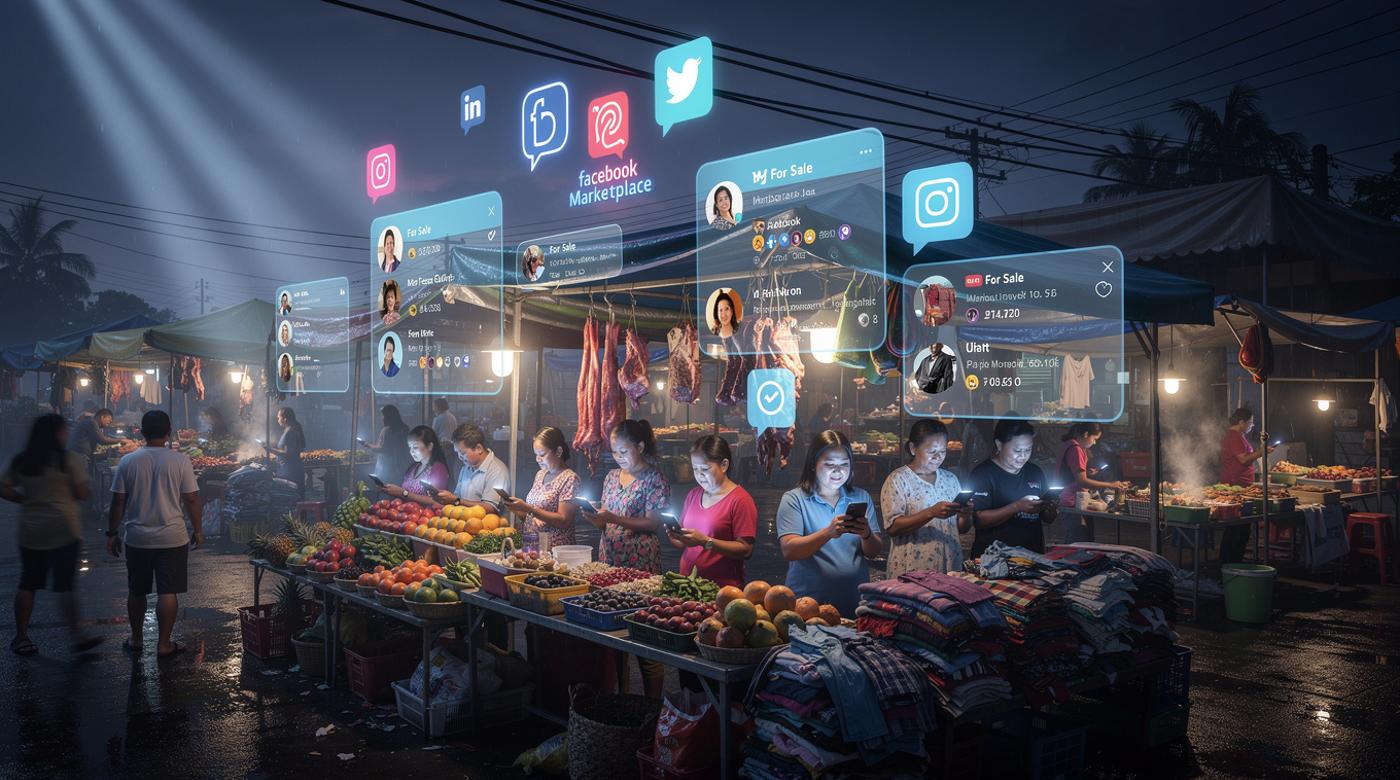
Small business owners in the Philippines overwhelmingly turn to social media marketplaces like Facebook Marketplace, TikTok Shop, Shopee, and Lazada for sales, bypassing the idea of independent online stores. This reliance stems from explosive social media penetration, 90.8 million Filipinos, or 78% of the population, actively use platforms in 2025, with Facebook dominating at 90.93% market share and users averaging 23.5 hours monthly - meltwater.com. Daily online time hits 10 hours 27 minutes, mostly mobile, fueling seamless discovery and purchases right in feeds - hashmeta.com.
For these entrepreneurs, platforms offer instant access to massive audiences without upfront costs or tech hurdles. Facebook isn't just social, it's the nation's digital backbone for transactions, news, and community building, with 81.8 million active users treating Marketplace as a virtual palengke. Yet owned shops promise control and scalability. Why the hesitation? Barriers like maintenance fears, costs, and cultural fit keep most sidelined, even as social commerce surges from USD 28.4 billion in 2025 to a projected USD 96.4 billion by 2034.
This article unpacks the forces driving this trend, weighs owned shop advantages against realities, and reveals why price alone doesn't explain the resistance.
Social Media's Iron Grip on Philippine SMB Sales
Filipinos don't just use social media, they live in it. With 86.98 million internet users (73.6% penetration) by early 2024, and social users climbing to 90.8 million by 2025, platforms like Facebook and TikTok command undivided attention. Facebook Marketplace thrives because it's woven into daily routines: 89% of internet users access it via mobile during commutes, turning idle scrolls into sales.
Small businesses, think sari-sari stores, fashion resellers, or food vendors, list items effortlessly. No website needed; a smartphone photo and description suffice. This zero-barrier entry hooks owners who prioritize speed over strategy. TikTok Shop exploded with 62.3 million ad reach (53.6% population), growing 27% yearly, thanks to live streams and influencer hauls that convert views to cash instantly.
Shopee and Lazada dominate structured e-commerce, but social's edge lies in trust-building. Live commerce on Facebook and TikTok lets sellers demo products, answer queries live, and spark urgency, features absent in static owned sites. Result? 42.5% of consumers discover products via social ads, making it the top channel.
Key Platforms Powering SMB Growth
| Platform | User Reach (2025) | Monthly Time Spent | SMB Appeal |
|---|---|---|---|
| 90.8M (78% pop) | 23.5 hours | Marketplace versatility, groups for niches | |
| TikTok | 62.3M (53.6% pop) | Highest daily | Live shopping, 27% YoY growth |
| YouTube | High penetration | Significant | Influencer partnerships |
| 18M users | N/A | Brand research (62.3%) |
These numbers explain the pull. Facebook's 90.93% dominance means SMBs hit critical mass immediately, no SEO grind required. TikTok's surge, adding 13.3 million users yearly, rewards viral content over polished stores.
Benefits of Owned Online Shops for Filipino SMBs
An independent shop, via Shopify, WooCommerce, or local premium web development service providers like Flex, delivers ownership rare on rented platforms. Full branding control lets owners craft unique identities, from custom domains (e.g., mangtomatoboy.ph) to tailored customer journeys, fostering loyalty beyond algorithm whims.
Data mastery is huge. Platforms hoard analytics; owned sites grant every click, cart abandonment, and repeat visitor insight. SMBs can personalize emails, retarget abandoners, and predict inventory, tools Shopee rations to big players.
Cost savings long-term: After setup (often PHP 5,000-20,000 yearly), transaction fees drop below platforms' 5-15% cuts. No delisting risks from policy changes, like Facebook's algorithm tweaks that tanked visibilities overnight.
Scalability shines for growth. Integrate payments (GCash, Maya), logistics (LBC, J&T), and even POS for hybrid physical-online ops. Exporters tap global markets without geo-locks. Early adopters report 2-3x lifetime value from owned traffic versus social one-offs.
Why Most SMB Owners Say No to Owned Shops
Despite perks, adoption lags. A 2023 survey showed clothing and accessories bought socially for convenience, echoing SMB logic. But dig deeper: it's not just price.
Barrier 1: Tech Intimidation and Time Sink
Most owners lack digital skills. With 98% mobile access but spotty broadband outside cities, building a site feels daunting. Platforms? Post and sell in minutes. Maintenance, updates, security, mobile optimization, demands ongoing effort many juggle with full-time hustles.
Barrier 2: Costs Beyond the Obvious
Setup isn't free: domains (PHP 500/year), hosting (PHP 2,000+), themes/plugins (PHP 1,000-10,000). Then marketing to drive traffic, since owned shops lack built-in audiences. Facebook's organic reach, though declining, still beats cold starts.
Barrier 3: Cultural and Behavioral Fit
Filipinos crave community. Social platforms mimic barangay chats, comments build trust instantly. Owned shops feel impersonal, cold. Customer service? Social expects public, rapid replies; isolated sites deter hesitant buyers.
Risk aversion rules. Platforms handle payments, disputes, deliveries, owners fear chargebacks or scams on their dime. Plus, 3-hour daily social immersion means customers live where sellers already thrive.
Real-World SMB Examples
Take 'Ate Beth's Ukay-Ukay': She sells PHP 50,000 monthly on Facebook Marketplace via live resell sessions, no site needed. Switching? "Bakit pa, eh andito na lahat ng buyers ko?" (Why bother, all my buyers are here?). Contrast with 'Green Thumb Farms', who built a WooCommerce site post-2024. They now export herbs globally, saving 12% fees, but spent 6 months building traffic.
Influencer affiliates grew 87% in 2024, SMBs ride this wave fee-free on TikTok, not self-hosted.
Overcoming Barriers: Practical Steps for Transition
- Start hybrid: Link social bios to a simple owned site (use free trials like WordPress.com).
- Leverage locals: Tools like Qadra Studio offer PHP 10,000 starter shops with GCash integration.
- Educate incrementally: Free YouTube tutorials abound; join FB groups like 'Pinoy Online Sellers' for tips.
- Test small: Migrate 20% inventory, A/B test conversions.
- Monetize data: Use Google Analytics for retargeting, slashing ad waste.
Success stories prove it's viable, social commerce hit USD 2.3B, but hybrids grow fastest.
Conclusion
Philippine SMBs cling to Facebook Marketplace and kin for unmatched reach (90.8M users), zero setup, and cultural resonance, exploding social commerce to USD 96B by 2034. Owned shops counter with branding, data, and savings, but tech fears, hidden costs, and community pull deter most.
Key takeaway: Platforms win short-term; ownership builds empires. Smart owners blend both, social for discovery, sites for loyalty. Next step? Audit your sales: if 80% social-dependent, prototype a shop today. The digital palengke evolves, position now.