Overview
The launch of the iPhone 17, anticipated as a significant upgrade in Apple's flagship lineup, has been met with an unexpected wave of consumer dissatisfaction. Early adopters and reviewers are reporting widespread concerns regarding the device's physical resilience, sparking debates across tech forums and social media platforms. This criticism has translated into a noticeably high volume of return requests, posing a challenge for Apple's customer service and retail partners. The situation highlights the delicate balance manufacturers must strike between innovative design, material choices, and real-world durability expectations. This article provides a comprehensive analysis of the emerging issues, their root causes, and the potential implications for Apple and the smartphone industry.
The Nature of Consumer Backlash
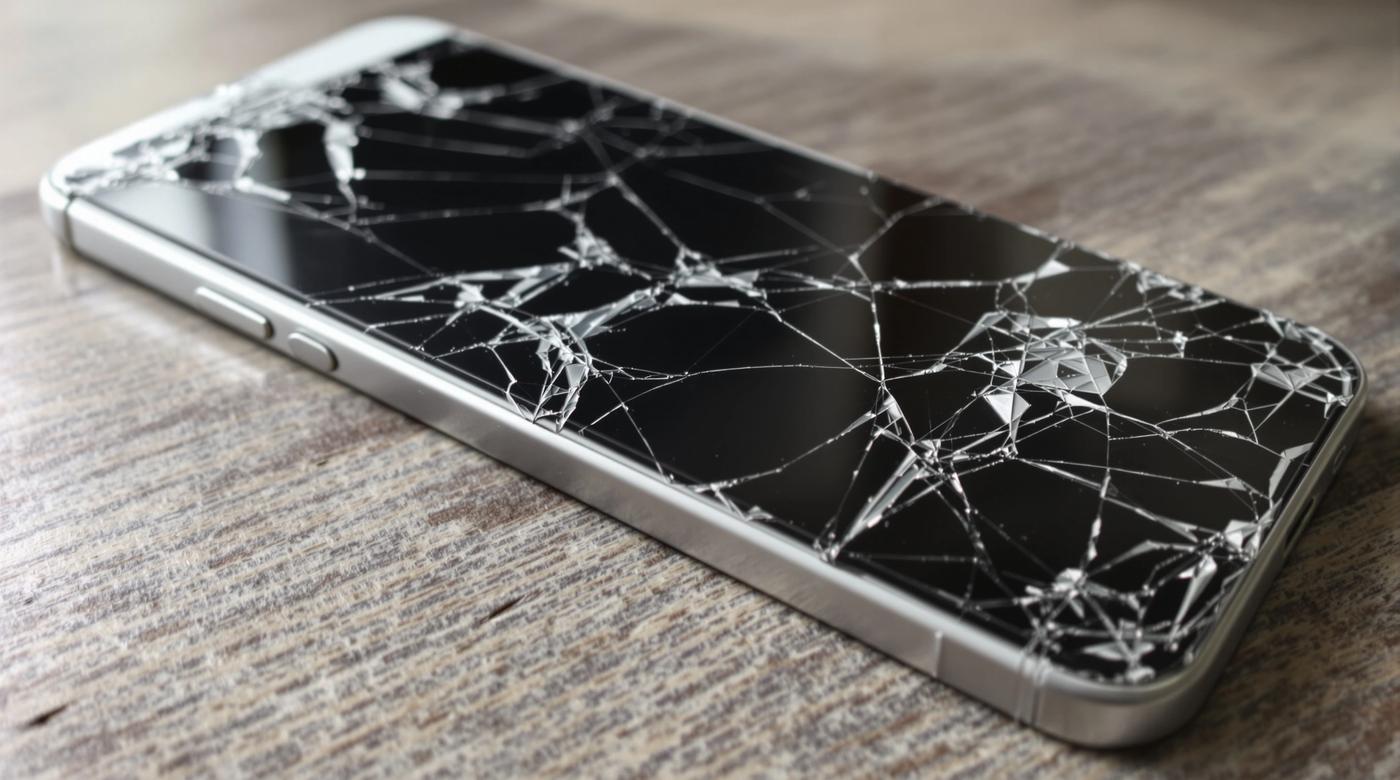
The backlash against the iPhone 17 is not merely a scattered collection of isolated complaints but a cohesive wave of dissatisfaction centered on tangible product attributes. Users who have spent significant sums on the latest model feel particularly aggrieved when the device fails to meet baseline expectations for ruggedness. The emotional investment in a premium brand like Apple exacerbates the frustration, as consumers anticipate a seamless, high-quality experience. This sentiment is being amplified through visual evidence shared online, where photos and videos of damaged units circulate widely, creating a powerful narrative of product failure.
Amplification Through Social Media
Social media platforms and dedicated technology forums have acted as catalysts, transforming individual grievances into a collective movement. The visual nature of platforms like Instagram, TikTok, and Twitter allows users to easily showcase scratches, cracks, or other defects, making the issue highly visible and relatable. This public sharing not only validates other users' experiences but also creates a sense of community among those affected. Hashtags related to iPhone 17 durability have trended, drawing attention from tech influencers and media outlets, thereby increasing the pressure on Apple to address the concerns.
Comparison with Previous Models
A key driver of the criticism is the direct comparison with earlier iPhone models, which many users report as being more resilient. Long-time Apple customers note that their iPhone 15 or iPhone 16 devices withstood similar usage conditions without exhibiting the same level of wear. This perceived regression in durability is particularly jarring for a brand known for its build quality. The inconsistency leads to questions about whether the pursuit of thinner, lighter designs has come at the expense of the sturdiness that once defined Apple products.
Primary Complaints About Physical Durability
The core of the dissatisfaction lies in specific, recurring complaints about the iPhone 17's physical construction. Users report that the device's screen is notably more prone to micro-scratches even from routine contact with keys or coins in a pocket. More seriously, there are accounts of the screen cracking from drops that previously would have been harmless, sometimes from waist height onto carpeted surfaces. The device's frame and back panel also show scuffing and denting more easily than expected, detracting from the premium aesthetic almost immediately after unboxing.
Screen Susceptibility
The screen's vulnerability appears to be a focal point. While Apple has historically used some of the most durable glass available, such as Ceramic Shield, users are questioning whether the latest iteration offers the same protection. Some speculate that the reduction in bezel size or changes in the glass composition could be factors. The psychological impact of seeing a cracked or heavily scratched screen on a new, expensive device cannot be overstated, it fundamentally undermines the user's confidence in the product.
Body and Frame Integrity
Complaints extend beyond the screen to the overall body. The aerospace-grade aluminum or stainless steel bands, along with the back glass, are showing signs of wear prematurely. Users note that the matte or glossy finishes are chipping or scratching, which is especially noticeable on darker-colored models. This cosmetic damage, while not always affecting functionality, significantly impacts the device's resale value and the owner's pride of possession, which are important considerations for many iPhone buyers.
High Return Rates and Customer Dissatisfaction
The durability concerns have had a direct and measurable impact on consumer behavior, manifesting in an unusually high rate of return attempts. Retailers and carrier stores have reported a surge in customers bringing in their new iPhone 17 units within the standard return window, citing physical damage as the primary reason. This trend is costly for Apple and its partners, not just in terms of processing returns and refurbishing units, but also in terms of brand reputation and customer loyalty erosion.
The Psychology of Returns
When a consumer buys a premium product, they enter into an unspoken contract expecting reliability. The discovery of a flaw, especially one related to basic durability, feels like a breach of that contract. This leads to a strong impulse to reverse the purchase. The process of returning a device is often frustrating, involving customer service interactions, potential restocking fees, and the hassle of re-setting up a new device. This negative end-to-end experience can permanently sour a customer's relationship with the brand.
Economic Impact on Apple and Retailers
High return rates create a significant financial burden. Returned devices cannot be sold as new; they must be inspected, repaired if necessary, and sold as refurbished at a lower margin. This affects the entire supply chain. Furthermore, if the perception of fragility persists, it could dampen future sales, as potential buyers may delay their purchase or opt for competitors' models perceived as more durable. Apple's carefully managed product lifecycle and revenue projections could be disrupted by such a trend.
Analyzing the Causes of Perceived Fragility
To understand why the iPhone 17 is facing these durability issues, it is essential to look at the design and material choices Apple has made. While the company has not issued an official detailed explanation, teardown analyses by industry experts and comparisons with previous models provide compelling insights. The pursuit of innovation often involves trade-offs, and in this case, the trade-offs may have impacted structural resilience.
Material Innovations and Trade-Offs
A primary factor appears to be the use of new, advanced materials aimed at reducing weight and thickness. Apple has consistently pushed the boundaries of material science, but lighter and thinner often mean less material to absorb impact. For instance, a thinner chassis has less structural redundancy to withstand bending or twisting forces. Similarly, the glass, while possibly more scratch-resistant on a molecular level, might be more brittle if made thinner to accommodate other components or design aesthetics.
Thinner Display Assemblies
The display assembly is a complex stack of layers. Making it thinner can improve touch responsiveness and brightness but may reduce its ability to dissipate impact energy. If the gap between the glass and the underlying OLED panel is minimized, there is less cushioning effect when the phone is dropped, making a crack more likely. This is a classic engineering compromise between performance, form factor, and durability.
Chassis Design Choices
The frame's design also plays a critical role. A shift towards more pronounced edges or different alloy blends, potentially to aid in heat dissipation or 5G antenna performance, might inadvertently create weaker points. Stress concentrations can occur at sharp angles or where materials meet, making those areas more susceptible to denting or deformation upon impact.
Manufacturing and Quality Control Variables
It is also possible that variations in manufacturing or quality control are contributing to the problem. Even with a robust design, inconsistencies in the production process, such as in the tempering of glass or the bonding of layers, could lead to a subset of devices being more fragile than intended. If these units are distributed widely, they can create a perception problem that affects the entire product line, even if many units are perfectly durable.
Comparison with Competing Smartphones
The durability of the iPhone 17 does not exist in a vacuum; it is constantly being judged against its main competitors from Samsung, Google, and other manufacturers. Many of these competitors have been emphasizing durability in their marketing, showcasing features like reinforced frames, tougher Gorilla Glass Victus variants, and even built-in screen protectors. This competitive landscape makes Apple's perceived misstep more pronounced.
Samsung's Galaxy S Series
Samsung's flagship Galaxy S models often highlight military-grade durability standards (like MIL-STD-810H) and use the latest Corning Gorilla Glass. They have managed to maintain a slim profile while often feeling substantial in hand. The aluminum frames are typically robust, and the overall construction is perceived as able to withstand everyday accidents. This contrast is noted by consumers who cross-shop between brands.
Google's Pixel Line
Google's Pixel phones, while also prioritizing design, have generally received positive marks for build quality. The use of recycled materials and matte finishes has not seemingly come at the cost of durability in recent iterations. This positions the Pixel as a viable alternative for users prioritizing a balance of clean software, camera performance, and physical resilience.
The Rise of "Durability" as a Feature
In recent years, durability has become an explicit selling point rather than just a background expectation. Brands are advertising drop-test results, water and dust resistance ratings, and scratch resistance more prominently. In this context, any perceived weakness in the iPhone 17 becomes a competitive disadvantage, potentially swaying buyers who plan to use their phone without a bulky case.
The Role of Marketing and Consumer Expectations
Apple's marketing campaigns for the iPhone 17 heavily emphasized its sleek design, advanced camera system, and powerful chip. The narrative was built around cutting-edge technology and aesthetic refinement. However, this messaging may have inadvertently set expectations that prioritized form over function in the minds of consumers, who assumed that "premium" inherently included ruggedness.
The Promise of Premium Materials
Apple's use of terms like "surgical-grade stainless steel" and "ceramic shield" creates a perception of near-indestructibility. When reality falls short of this marketing promise, the disappointment is magnified. Consumers feel misled, even if the technical specifications were accurate but their interpretation was overly optimistic. This gap between marketed image and lived experience is a classic source of brand trust erosion.
Managing User Expectations
There is an argument that smartphone users have become increasingly careless, expecting devices to survive increasingly rough treatment. While Apple designs its phones to withstand common accidents, it cannot engineer for every possible scenario. The company faces the challenge of clearly communicating the limits of its devices' durability without undermining the premium feel they are selling. This might involve more realistic marketing imagery or clearer guidelines on recommended use cases and protection.
Potential Solutions and Official Response
Addressing the wave of criticism will require a multi-faceted approach from Apple. The company's response will be closely watched as an indicator of its customer-centricity and agility. Potential solutions range from immediate customer service actions to longer-term design revisions.
Software and Service Mitigations
While software cannot fix a physical crack, Apple could enhance its software offerings to soften the blow. This might include promoting AppleCare+ more aggressively, highlighting its coverage for accidental damage. They could also introduce new features in iOS that help users diagnose potential hardware weaknesses early or remind them to use protective cases.
Hardware Revisions in Future Batches
It is common for manufacturers to make subtle, unannounced revisions to a product's hardware during its production lifecycle. Apple could strengthen the frame, use a slightly different glass composition, or improve the bonding process in subsequent manufacturing runs. These "silent" updates would address the issue for future buyers without publicly acknowledging a flaw in the initial design.
The Possibility of a Public Statement
A direct official statement from Apple is a high-stakes option. If they acknowledge the concerns and outline steps being taken, it could rebuild trust. However, it also legally admits a potential problem, which could lead to warranty claims or even class-action lawsuits. The company will carefully weigh the reputational benefit against the legal and financial risks.
Long-Term Implications for Apple's Brand
The durability controversy surrounding the iPhone 17 has implications that extend beyond this single product cycle. Apple's brand is built on a reputation for quality, reliability, and thoughtful design. A sustained perception that its products are becoming less durable could damage this core brand equity.
Erosion of Brand Loyalty
Apple enjoys one of the highest customer loyalty rates in the industry. This loyalty is based on consistent positive experiences. If users start to feel that the quality is declining, they may be more willing to consider alternatives for their next upgrade. This is particularly true in a market where smartphone innovation has plateaued, and differences between flagship models are often marginal.
Impact on Future Product Launches
The skepticism generated by the iPhone 17's launch could cast a shadow over the reveal of the iPhone 18 or other products. Tech media and consumers will scrutinize every detail related to durability, putting pressure on Apple to over-compensate and perhaps even revert to more conservative, heavier designs. This could slow down the pace of aesthetic innovation that Apple is known for.
The Importance of Third-Party Accessories
This situation underscores the critical role that the third-party accessory market plays in the smartphone ecosystem. For many users, a case and a screen protector are not optional extras but essential purchases. The perceived fragility of the iPhone 17 is likely to boost sales for accessory manufacturers who offer rugged, protective solutions.
Case Manufacturers' Response
Companies like OtterBox, Spigen, and Casetify will likely see increased demand for their most protective cases. They may even launch marketing campaigns specifically targeting iPhone 17 owners concerned about durability. This creates a symbiotic relationship where a perceived weakness in the phone becomes a business opportunity for accessory makers.
Apple's Own Accessory Strategy
Apple sells its own range of cases and screen protectors, but they are often criticized for being overpriced and offering only basic protection. This controversy might push Apple to develop more robust first-party accessory options, potentially even bundling a basic case with the phone in certain markets to manage consumer expectations from the point of sale.
Conclusion: A Critical Juncture for Smartphone Design
The criticism faced by the iPhone 17 over durability and returns represents a significant moment in the evolution of smartphone design. It highlights the growing tension between the relentless pursuit of thinner, lighter, and more aesthetically pleasing devices and the fundamental user requirement for a product that can survive daily life. How Apple responds will not only determine the fate of the iPhone 17 but could also influence design priorities across the entire industry. The episode serves as a reminder that true innovation must encompass not just what a device can do, but how well it can endure the real world in the hands of its users.