Overview
We've undergone a silent revolution in how we interact with digital content. The familiar world of file extensions.docx.xlsx.mp3, once defined our digital reality. Today, platforms like Notion, Figma, and Spotify have trained us to think in links and streams instead of files. This shift represents more than just technological convenience; it's a fundamental rewiring of how we create, collaborate, and consume. The file extension, once a crucial piece of metadata, is fading into the background, replaced by seamless interfaces that prioritize flow over format.
The Nostalgic Click: Remembering the World of .docx and .mp3
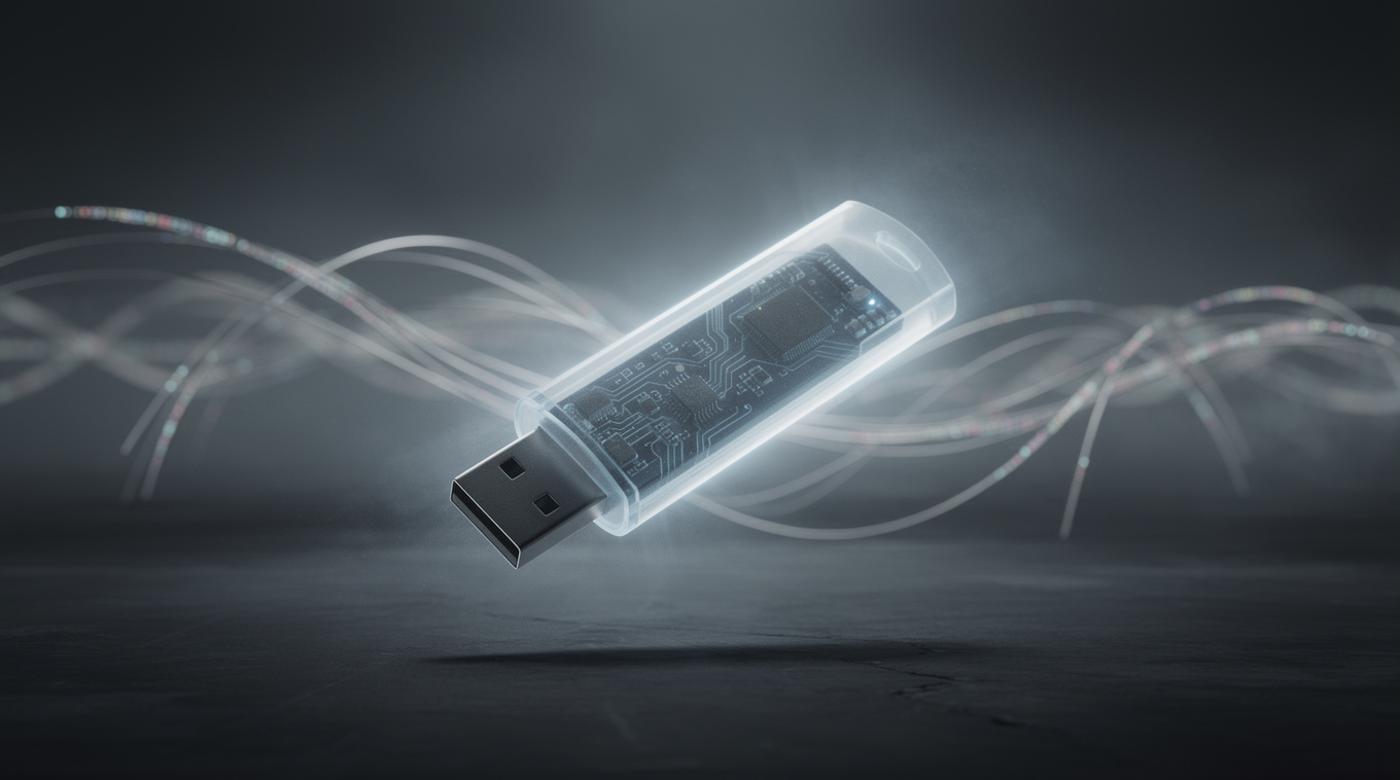
Before the cloud era, digital work was tactile and deliberate. We navigated nested folders on desktops, organized files by type, and felt the satisfying click of opening a .docx document or an .mp3 track. USB drives were physical artifacts of our digital lives, and "Save As" was a critical command. This file-centric model had clear boundaries:
- Ownership was explicit: You possessed the file on your device.
- Formats dictated tools: You needed specific software (like Microsoft Word for .docx) to open and edit.
- Sharing was cumbersome: Emailing attachments or transferring via physical media created version chaos.
As designer and writer Craig Mod noted, "Files were islands." Each document existed in isolation, requiring manual effort to connect and share. This system, while familiar, introduced friction at every turn, from compatibility issues to the anxiety of losing unsaved work.
The Great Unlearning: How Apps Like Notion and Figma Rewired Our Brains
Modern collaborative platforms engineered a cognitive shift by removing the file as the primary unit of work. Notion and Figma didn't just improve upon old workflows; they made the concept of a "file" feel archaic.
Key mechanisms of this unlearning:
- Automatic, continuous saving: The moment you type or design, your work is preserved without action. Users experience the 'aha' moment when they realize they haven't thought about saving in weeks.
- Format-agnostic creation: Notion pages contain databases, text, and media in one fluid space. Figma files are live design environments, not static .psd documents.
- Real-time collaboration as default: Multiple people can edit simultaneously, eliminating the "final-final-v2" naming convention.
"The file didn't disappear; it became a background process. The user's mental model shifted from managing documents to participating in streams of work.", Technology anthropologist, Dr. Elena Torres
This rewiring reduces cognitive load, allowing creators to focus on output rather than administrative overhead. The friction of file formats dissolves, making creation feel like a continuous flow.
Links as the New Currency: Why Sharing a URL Feels More Human Than Emailing a File
The humble hyperlink has become the primary social token of digital collaboration. Sharing a Notion page link or Figma prototype URL feels fundamentally different than attaching a file:
- Dynamic, not static: A link points to a living document that can be updated. Recipients always see the latest version.
- Context-rich: Links can be shared with specific permissions (view, comment, edit), embedding social dynamics directly into the artifact.
- Conversation-starters: Comment threads and collaborative editing turn documents into dialogues. As one product manager observed, "We don't send files anymore; we send conversations."
This shift fosters spontaneity and inclusivity in teamwork. Junior team members can contribute as easily as seniors, and feedback loops tighten dramatically. The psychological effect is significant: when work exists as a shared URL rather than a personal file, it feels more like communal property than individual output.
The Stream Mentality: Spotify and Canva's Lesson in Letting Go of Ownership
Consumer platforms have accelerated our detachment from files by replacing ownership with access. Spotify didn't just change how we listen to music; it changed our relationship with musical content:
- From possession to experience: Instead of owning .mp3 files, we access a vast stream of music. The value shifts from collecting tracks to discovering playlists.
- Personalization over organization: Algorithms curate based on taste, eliminating the need to manually organize files.
- Ephemeral by design: Canva templates and Spotify playlists are transient by nature, meant to be used, not archived.
This stream mentality has profound implications for creativity:
"When you stop thinking about files as things you own, you start thinking about them as moments you experience. This changes both consumption and creation.", Media theorist, Liam Chen
In design, Canva users remix templates rather than create from blank files. In music, listeners follow mood-based playlists rather than artist albums. The unit of value becomes the experience, not the artifact.
The Hidden Cost: What We Lose When Files Become Invisible
This convenience comes with significant trade-offs that are often overlooked:
Critical vulnerabilities of the link-and-stream model:
- Platform dependency: Your work exists at the mercy of company policies, pricing changes, and continuity. If Notion changes its model or Figma is acquired, your creative output is at risk.
- Data fragility: Links break. Services sunset. Unlike files on your hard drive, cloud-based documents have no physical instantiation.
- Erosion of personal archives: The continuous stream model discourages intentional archiving. As historian of technology Anne Helen Petersen warns, "We're creating a digital dark age where years of work may become inaccessible."
- Loss of control: You cannot truly own, encrypt, or independently preserve your creations in the same way as with local files.
Additionally, the frictionless nature of these systems can lead to:
- Creative homogenization: When everyone uses the same templates and tools, distinctive styles may diminish.
- Attention fragmentation: Constant streams can make deep, focused work more challenging.
- Vendor lock-in: Export options are often limited, making migration difficult.
Conclusion
The transition from files to links and streams represents one of the most significant but under-examined shifts in digital culture. We've moved from a world of discrete, owned artifacts to one of fluid, accessed experiences. This evolution has undeniably enhanced collaboration, reduced friction, and enabled new creative possibilities.
Looking forward, files won't disappear entirely but will recede further into infrastructure, the plumbing rather than the interface. Several trends will shape this future:
- AI-native interfaces: Tools like ChatGPT and Midjourney generate content without traditional file creation steps.
- Blockchain-based verification: Technologies may provide ownership and provenance without reverting to file-based models.
- Interoperability standards: As the downsides of platform dependency become clearer, pressure will grow for systems that allow data portability while maintaining seamless experiences.
The challenge ahead is balancing the convenience of streams with the permanence and control of files. As we design the next generation of creative tools, we must build systems that preserve the best of both worlds, enabling fluid collaboration while safeguarding against data fragility and platform risk. The file extension may be dying, but the need for durable, sovereign creative work remains vital.