Overview
AI-generated 80s music has emerged as a surprising yet lucrative niche on YouTube, where creators blend nostalgic synth-pop aesthetics with modern artificial intelligence tools to produce viral hits that generate substantial revenue. This phenomenon capitalizes on the powerful emotional pull of 80s nostalgia, characterized by iconic synthesizers, drum machines, and melodic hooks, while leveraging AI models capable of mimicking specific artists' voices and styles. From Eminem reimagined as an 80s pop star to entirely fictional bands, these tracks attract millions of views, demonstrating how technology can unlock new creative and financial opportunities. Beyond mere novelty, this trend reflects deeper shifts in content creation, where AI democratizes music production and allows creators to monetize nostalgia through ads, sponsorships, and audience engagement.
The AI Music Gold Rush: Why 80s Nostalgia Is a Cash Cow on YouTube
The financial incentives for producing AI-generated 80s music are compelling, driven by YouTube's monetization ecosystem and the viral nature of nostalgic content. Creators earn revenue primarily through:
- Ad Revenue: Videos with high view counts and engagement (e.g., millions of views on AI 80s tracks) generate income via YouTube's Partner Program, with rates varying by niche and audience demographics.
- Sponsorships and Brand Deals: Viral AI music videos attract sponsors from tech, music gear, or nostalgia-themed brands, offering additional income streams.
- Merchandise and Fan Funding: Successful channels often sell merchandise (e.g., t-shirts with AI-generated band logos) or use platforms like Patreon for supporter subscriptions.
Key factors making 80s nostalgia a "cash cow":
- Low Production Costs: AI tools reduce the need for expensive studio time or hiring musicians, enabling rapid, budget-friendly content creation.
- High Shareability: Nostalgic content resonates across generations, encouraging shares on social media and boosting algorithmic visibility.
- Trend Capitalization: Creators tap into ongoing trends (e.g., "Stranger Things" fueling 80s revival), ensuring consistent audience interest.
"AI-generated 80s music isn't just a fad, it's a scalable business model. Creators can produce multiple tracks weekly, building a library that generates passive income over time." – Industry analyst on YouTube monetization trends.
Why AI-Generated 80s Music Sounds So Captivating: The Science of Nostalgia
The appeal of AI-generated 80s music lies in its ability to trigger powerful nostalgic emotions through specific musical and psychological elements. Key components include:
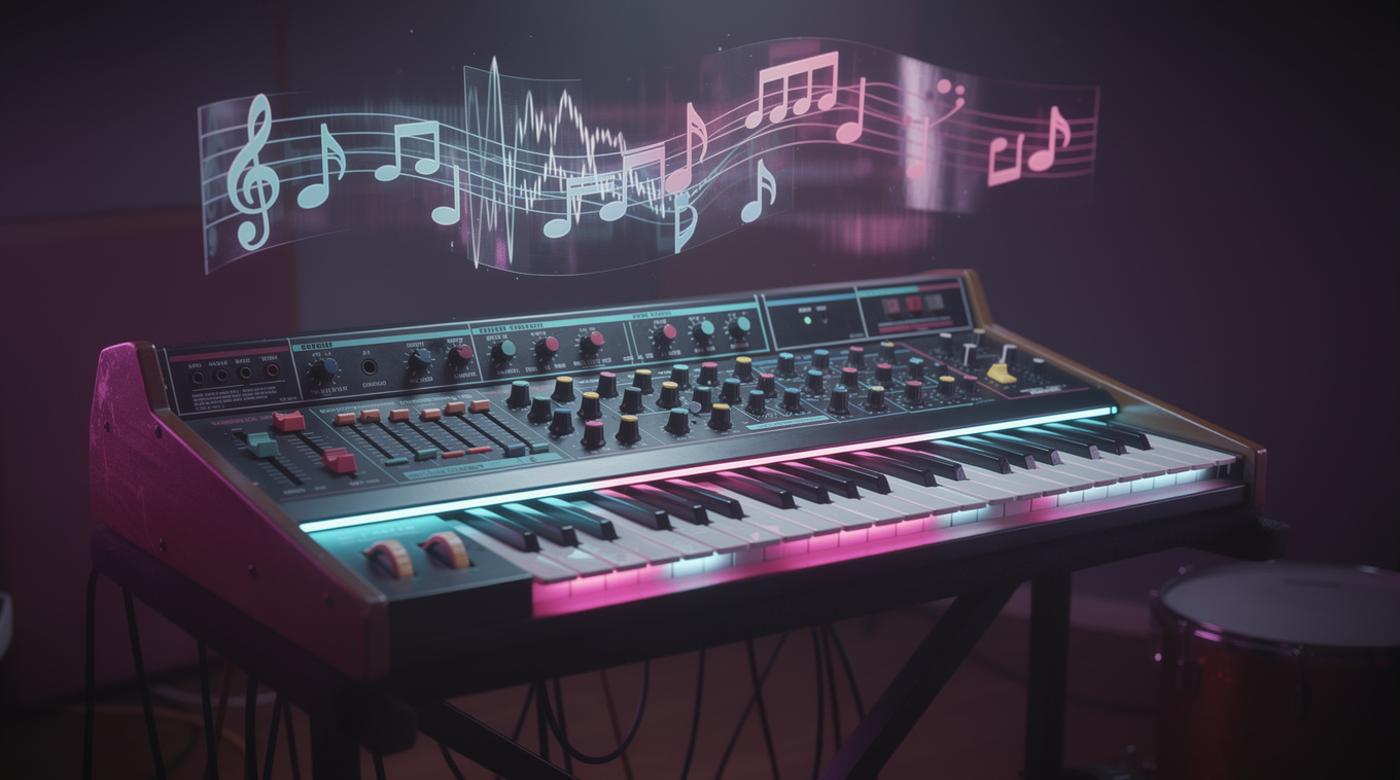
- Sonic Signatures: 80s music is defined by analog synthesizers (e.g., Roland Juno-106), gated reverb drums, and melodic basslines, which AI models accurately replicate to evoke authenticity.
- Emotional Hooks: Catchy choruses and upbeat tempos stimulate dopamine release, enhancing memorability and emotional connection.
- Memory Triggers: Nostalgia acts as a psychological "sweet spot," reducing stress and increasing social bonding, making listeners more likely to engage and share.
AI enhances this by:
- Vocal Mimicry: Using models trained on artist vocals (e.g., Michael Jackson or Madonna) to create convincing performances that blend familiarity with novelty.
- Style Blending: Merging 80s aesthetics with modern artists (like Eminem) creates "uncanny valley" appeal, where the familiar meets the unexpected.
- Consistency: AI ensures tracks adhere to 80s production norms, avoiding anachronisms that might break immersion.
Case Study: Eminem Meets the 80s – Deconstructing a Viral AI Hit
A prime example is the viral track "Eminem - The Real Slim Shady (80s Synthwave AI Cover)," which reimagines the rapper's 2000 hit as an 80s pop song. This video garnered over 5 million views in weeks, illustrating the trend's mechanics:
- AI Transformation: The creator used AI voice models to convert Eminem's rap vocals into a singing style reminiscent of 80s icons like Rick Astley, paired with synth-heavy instrumentals generated via tools like Udio.
- Audience Appeal: The fusion attracted both Eminem fans and 80s music enthusiasts, broadening reach. Comments often highlight amusement at the "what-if" scenario, driving engagement.
- Monetization Strategy: The video was monetized with mid-roll ads, and its popularity led to sponsorship inquiries from audio software companies.
Key takeaways for creators:
- Artist Selection: Choose modern artists with distinct vocal styles (e.g., Eminem, Billie Eilish) for maximum contrast and curiosity.
- Visuals Matter: Pair the audio with retro-themed visuals (e.g., VHS-style graphics) to enhance the nostalgic experience.
- Timing: Release during nostalgia peaks (e.g., around 80s-themed events or show releases) to capitalize on trending searches.
The Fun Factor: Why Creators Love Making AI Music Beyond the Money
Beyond financial gains, AI music production offers creative joy and experimental freedom:
- Remixing Classics: Creators can reimagine songs from any era in an 80s style, exploring "alternate history" scenarios (e.g., "What if Nirvana made synth-pop?").
- Unexpected Blends: AI enables vocal mashups (e.g., Freddie Mercury singing a Dua Lipa track) that would be impossible with traditional methods, fostering innovation.
- Low Barrier to Entry: No formal music training is required; creators can focus on conceptual ideas rather than technical skills, making it accessible and fun.
- Community Building: Sharing AI tracks often leads to collaborative projects and feedback loops, enhancing the social aspect of creation.
"It's like being a kid in a candy store, you can create any sound or style instantly. The money is great, but the real reward is seeing people react to your wild ideas." – A creator on AI music platforms.
Tools of the Trade: Software & AI Models Powering the 80s Music Revolution
Producing AI-generated 80s music relies on specialized software and models:
- AI Music Generators:
- Udio: Popular for its user-friendly interface and ability to generate full songs with vocals and instrumentals in specific styles (e.g., "80s pop").
- Suno: Focuses on high-quality audio generation, often used for creating instrumental backdrops that mimic 80s synth textures.
- MusicGen by Meta: An open-source model that generates music from text descriptions, useful for crafting 80s-style melodies.
- Vocal AI Models:
- Custom GPTs and Voice Cloning Tools: Models like So-VITS-SVC or RVC (Retrieval-Based Voice Conversion) clone artist voices, enabling realistic 80s-style singing.
- ElevenLabs: Provides voice synthesis for creating original vocal performances with nostalgic tones.
- Production Software: DAWs (Digital Audio Workstations) like Ableton Live or FL Studio are used for post-processing, adding effects (e.g., reverb, chorus) to enhance the 80s vibe.
Workflow example: A creator might use Udio to generate an 80s instrumental, then apply a voice-cloning model to overlay AI-generated vocals from a modern artist, finishing with mixing in a DAW.
How to Start: A Beginner's Guide to Creating & Monetizing AI 80s Music
Aspiring creators can follow these steps to enter the niche:
- Choose Your Tools: Start with free or trial versions of AI platforms like Udio or Suno to experiment. Invest in a basic DAW for editing if needed.
- Develop a Concept: Pick a theme, e.g., "80s cover of a modern hit" or "original AI 80s song." Research trending artists or songs for inspiration.
- Generate the Music: Use AI tools to create instrumentals and vocals. For vocals, provide clear prompts (e.g., "male tenor voice singing in 80s pop style").
- Edit and Polish: Import tracks into a DAW to adjust levels, add effects (like gated reverb), and ensure a cohesive 80s sound.
- Create Visuals: Design retro-themed thumbnails and video content using tools like Canva or Adobe Premiere. Consider using AI image generators for artwork.
- Upload to YouTube: Optimize with keywords (e.g., "AI 80s music," "synthwave cover") in titles, descriptions, and tags. Enable monetization through YouTube Partner Program (requires 1,000 subscribers and 4,000 watch hours).
- Promote and Engage: Share on social media, collaborate with other creators, and engage with comments to boost algorithm favorability.
- Diversify Revenue: Explore sponsorships, merchandise, or platforms like Patreon once you have a following.
The Future of AI Music: Trends, Ethics, and Long-Term Viability
The AI music trend faces evolving dynamics:
- Trends: Expect more personalized AI music (e.g., custom 80s tracks for listeners) and integration with VR/AR for immersive experiences. Advances in AI may enable real-time generation during live streams.
- Ethical Considerations:
- Artist Likeness: Using AI to mimic voices raises copyright and consent issues. Some platforms are implementing safeguards, but legal frameworks lag.
- Originality Debates: Questions arise about whether AI music devalues human creativity. Transparency (e.g., labeling AI-generated content) is becoming a best practice.
- Long-Term Viability: While novelty may fade, AI music's low cost and adaptability suggest sustainability. Creators who innovate, e.g., blending genres or focusing on storytelling, will likely thrive. However, reliance on platform algorithms (like YouTube's) poses risks if policies change.
Conclusion
AI-generated 80s music represents a fascinating convergence of technology and nostalgia, offering creators a viable path to revenue and creative expression on platforms like YouTube. By leveraging tools like Udio and voice-cloning models, producers can tap into the emotional resonance of 80s aesthetics while engaging modern audiences with novel concepts. While ethical questions and market saturation loom, the trend's foundation in low-cost production and high shareability suggests it will remain a significant niche. For aspiring creators, the key lies in balancing innovation with authenticity, using AI not just as a gimmick, but as a tool to craft compelling musical experiences that honor the past while exploring the future of digital content.